

Symfony consulting & architecture
Expert guidance on framework selection, architecture design, and best practices for your PHP Symfony project.
Custom Symfony web development
Building high-performance, responsive web applications and websites tailored to your business needs.
Symfony API development
Creating secure REST and GraphQL APIs for integration with external systems, mobile apps, and third-party services.
Symfony enterprise solutions
Complex enterprise-grade systems with scalable architecture, microservices, and high-load capabilities.
Symfony CMS & e-commerce development
Custom content management systems and e-commerce platforms using Symfony components for flexibility and speed.
Symfony migration & modernization
Updating legacy PHP systems to modern Symfony-based architectures for maintainability and performance.
Symfony QA & testing services
Comprehensive testing, including functional, performance, and security assessments, to ensure reliable delivery in web frameworks.
Symfony support & maintenance
Ongoing optimization, monitoring, updates, and feature enhancements to keep applications running smoothly.
Our case studies
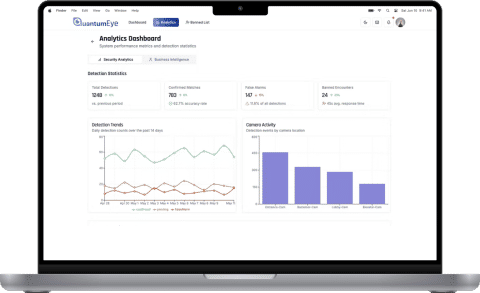

Scaling Edge AI & computer vision: QuantumEye real-time surveillance platform
Geniusee helped the QuantumEye AI platform that upgrades legacy CCTV with real-time detection, instant incident notifications, and decision-ready analytics.
Case details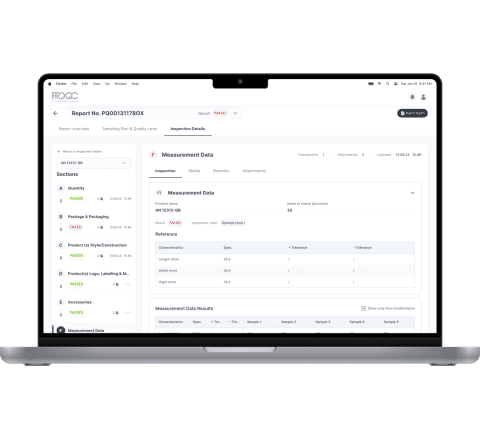
 Logistics
Pro QC: Streamlining inspections and audits with modern technology
As a long-standing provider of inspection and supplier management services, Pro QC supports clients in over 88 countries with product, factory, and process evaluations. Their global reach created operational complexity that legacy, document-based workflows could no longer handle efficiently. To improve accuracy and streamline work across regions, Pro QC engaged Geniusee to design a digital system that replaces manual processes with structured, scalable workflows.
Case details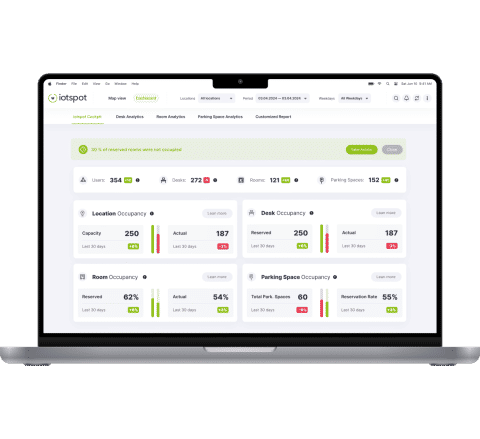
 Real estate
How Geniusee helped iotspot optimize hybrid workplaces with AI and IoT analytics
iotspot is a Dutch technology company focused on enabling hybrid workplaces through IoT-powered data intelligence. Iotspot helps enterprises track workspace usage, air quality, and employee movement to design more efficient, sustainable offices. The client addressed Geniusee to modernize their platform by combining real-time IoT data, AI analytics, and an intuitive user experience. The result: a scalable, secure, and analytics-driven ecosystem that helps enterprises make informed workspace decisions.
Case details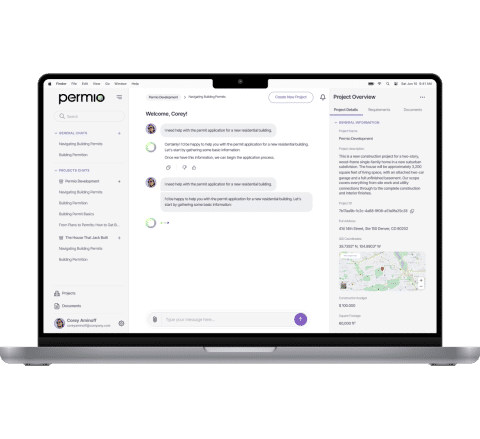
Permio: AI-powered permit workflows for Service First Permits
Permio is an AI-powered permitting platform built for Service First Permits to automate workflows and accelerate approvals across 240+ jurisdictions. Geniusee worked closely with SFP to design, engineer, and validate a system that modernizes the entire permitting lifecycle.
Case details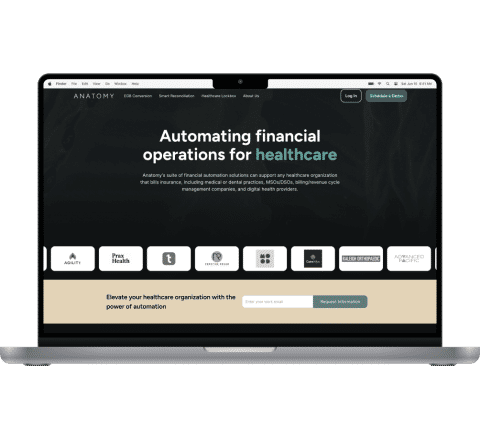
Anatomy Financial: Automated financial management software for healthcare
Anatomy introduces an innovative solution designed to automate document processing, compare various documents and banking transactions, and handle the intricacies of physical check processing. By conducting a thorough analysis, the system identifies discrepancies between the declared prices of medical procedures and the actual amounts received by the clinic.
Case details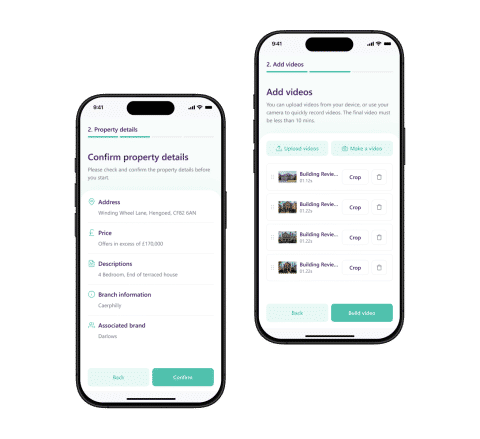
 Real estate
Spicerhaart: How Genuisee helped accelerate branded property tour videos
Spicerhaart Group Ltd is one of the UK's largest independent estate agency networks, operating 7 well‑known brands across residential sales, lettings, and financial services. Geniusee delivered a mobile video solution that simplifies property marketing: agents can capture, enhance, and publish fully branded property tours in minutes, with seamless CRM integration and automated brand consistency.
Case details1 step – Requirement analysis
Understanding business objectives, user needs, and technical requirements is crucial for effective web application framework implementation.
2 step – Architecture & UI/UX design
Designing a scalable architecture and user-friendly interface.
3 step – Symfony development
Building your solution using Symfony components and best practices.
4 step – Quality assurance & testing
Ensuring performance, security, and compliance across all modules is vital in popular PHP frameworks like Symfony.
5 step – Deployment and support
Launching, monitoring, and providing ongoing maintenance and improvements.

















Certified AWS Partner delivering secure, scalable cloud-native solutions.

ISO-compliant processes ensuring quality, security, and reliability.

Trusted integration partner for financial data connectivity and open banking.
Team of ISTQB-certified QA engineers for world-class software testing.

Consistently rated ★5.0 by clients for reliability and delivery excellence.

Accredited partnership supporting advanced testing and continuous QA automation.

What is Symfony used for?
Symfony is a PHP framework for building custom web applications, websites, and enterprise platforms. Its reusable components, libraries, and modular structure make development faster, more scalable, maintainable, and adaptable to complex business requirements.
Why should I choose Symfony for my project?
Symfony enables rapid development, flexible architecture, and seamless integration with third-party tools and services. Its stability, long-term support, active developer community, and mature ecosystem make it ideal for building reliable, enterprise-grade, business-critical applications.
How much does Symfony development cost?
Symfony development costs vary depending on project complexity, size, and scope. Small projects typically range from €8,000–€20,000, medium applications from €20,000–€60,000, and enterprise-grade solutions start at €60,000 or more, depending on integrations and features.You may calculate the approximate cost with our Estimator.
Can Symfony integrate with my existing systems?
Yes. Symfony supports smooth integration with databases, APIs, microservices, cloud platforms, and legacy PHP systems. This enables modernization of existing infrastructure, enhanced functionality, and seamless connectivity with other applications or platforms.
Does Geniusee provide Symfony maintenance and support?
Yes. Geniusee offers full maintenance and support services, including monitoring, performance optimization, regular updates, bug fixes, and feature enhancements to ensure your Symfony application remains secure, fast, and reliable long after launch.
Is Symfony suitable for enterprise applications?
Absolutely. Symfony is widely used for enterprise platforms, high-traffic websites, and complex workflows. Its modular architecture, scalability, long-term support (LTS), and robust ecosystem make it ideal for mission-critical business applications.