
About the client
Forsyth Barnes is a global talent partner reshaping the recruitment landscape. Founded in 2016, the firm combines deep relationship-driven consulting with strategic investments in AI and technology to deliver high-performing teams for scale-ups and FTSE-listed enterprises alike.
Business context
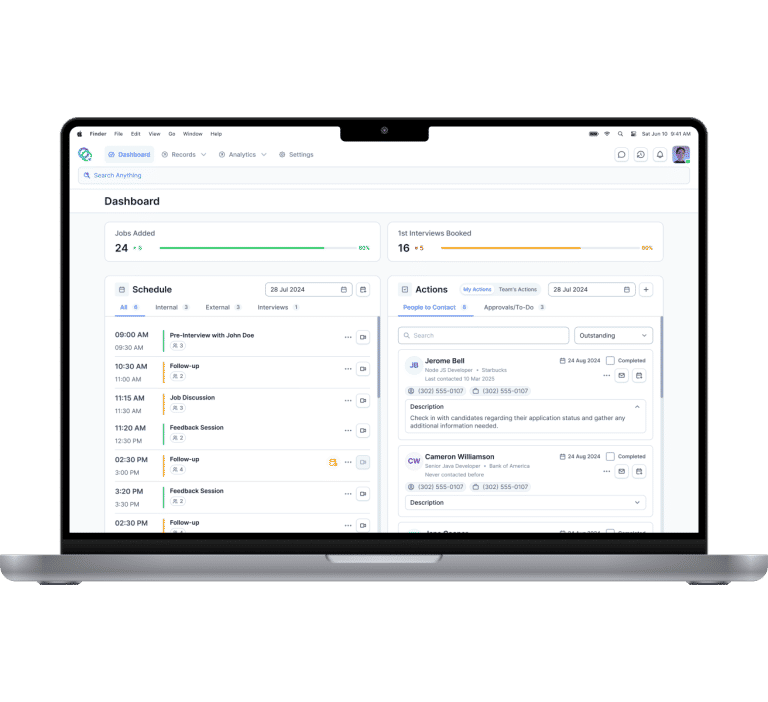
To accelerate its digital roadmap, Forsyth Barnes envisioned Imagine AI — a next-generation recruitment platform that combines workflow automation, candidate intelligence, and AI-enhanced decision support.
The goal was to reduce manual tasks, centralize fragmented data, and provide recruiters with intelligent tools to search, assess, and match candidates faster—all within a secure, scalable, and user-friendly web platform.
The client faced several critical challenges with their existing recruitment infrastructure:
Limited functionality in Itris 9
The limitation of essential features in the client’s legacy system affected the ability to record and track workflows efficiently throughout the hiring process.
Complex and manual processes
Core tasks like CV tailoring, candidate sourcing, and approvals required multiple tools and significant consultant time, preventing them from focusing on high-value activities such as client and candidate interactions.
Unclear reporting & auditability
The absence of advanced reporting tools and audit trails hindered compliance, transparency, and strategic performance tracking.
Low visibility into candidate data.
Consultants often struggled to find relevant information across large datasets due to the lack of intelligent search and centralized access, which caused delays in the recruitment cycle.
Outdated UX/UI
The existing system had a cluttered, unintuitive flow. Key processes required excessive clicks, lacked role-specific customization, and created friction across core workflows.
Construction requirements were scattered across multiple sources
This made it difficult to prepare a complete set of documents. Applicants often faced delays when missing information is discovered.
Limited platform scalability
As Forsyth Barnes expanded, the system struggled to scale with the growing volume of users, jobs, and candidate data. Performance degraded with increased load, leading to delays in search, report generation, and real-time collaboration.
Growing demand for AI-driven efficiency
To stay competitive, Forsyth Barnes needed to embed AI into core operations, from candidate matching to automated content generation.
Solutions we implemented
Our approach was specifically tailored to the client’s existing TigerGraph-based architecture, where we needed to support custom graph queries and complex logistical relationships.
Following a Kanban methodology, our team delivered an end-to-end system refactoring that included the following services and steps:
- A comprehensive data management system
We built and fine-tuned a suite of asynchronous, multithreaded ETL data pipelines based on output quality. This helped us automate logistics data processing and significantly reduce data handling time. - Interactive visualization map
We elaborated upon Ogma.js-based solution to develop a driver dispatch map, allowing users to track trips in real time and visualize route data in a friendly and intuitive way. - Streamlining load scheduling
We developed an advanced solution to optimize load assignments and delivery routes, reducing manual coordination and improving resource efficiency. This included building interactive load scheduling and assignment visualization pages that allowed dispatchers to quickly assess available capacity, match loads with drivers, and view routes in real time. We aimed to minimize vehicle usage and driving time without compromising delivery accuracy. - Admin panel for real-time oversight
To ensure a holistic and centralized logistics control, our team elaborated dispatcher dashboards, which facilitated the management of the drivers’ schedules. Moreover, these dashboards impacted the aligned communication between teams. - Performance optimization
To enhance system performance and reduce execution time for data-heavy operations, we implemented a combination of asynchronous task execution, multithreading, and multiprocessing.

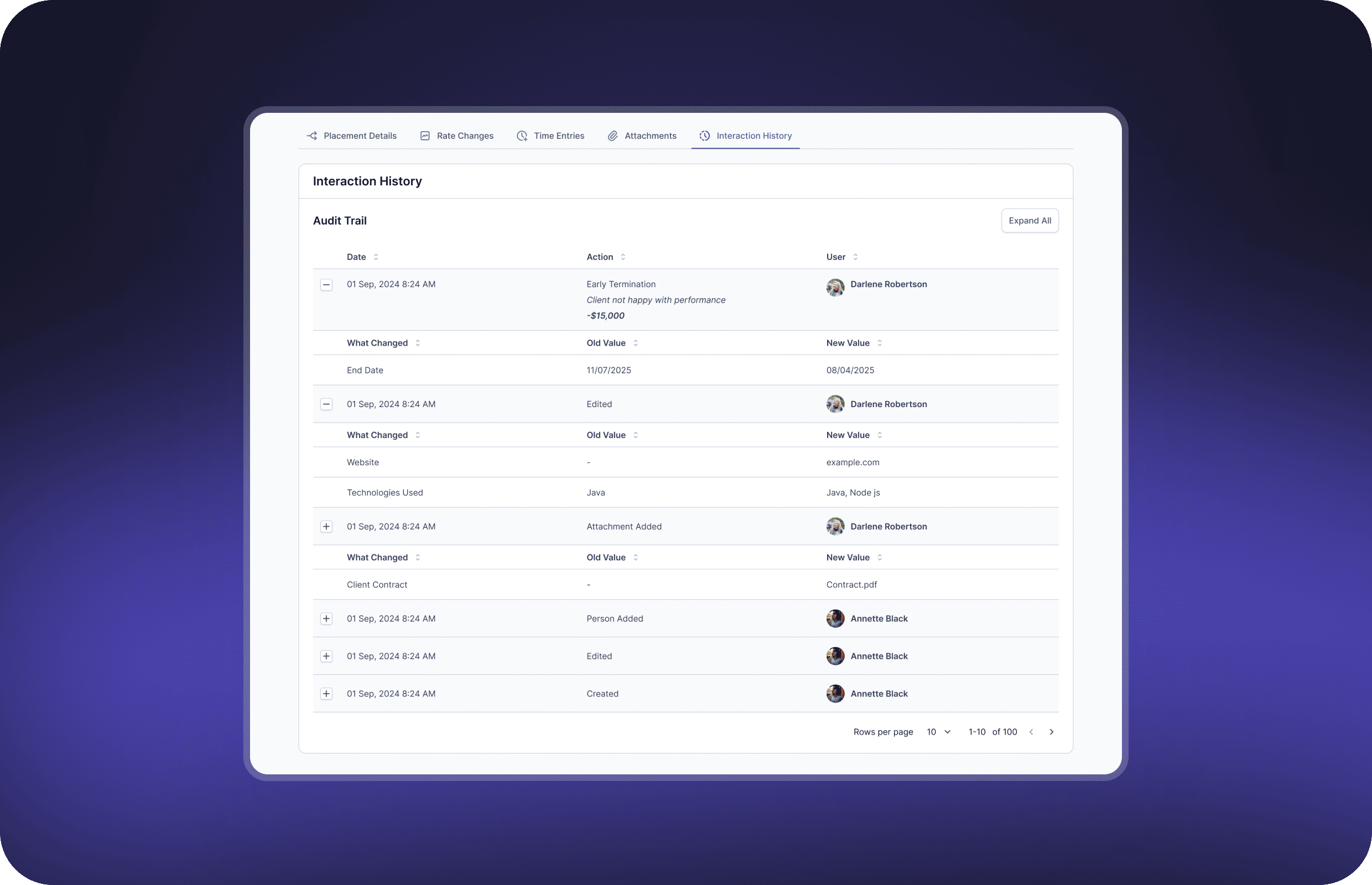
- People/job placement & team management. Core modules for handling the full recruitment lifecycle across teams and business units.
- AI job ad generation. Custom prompts generate job descriptions tailored to role, tone, and target audience.
- Candidate mailshot. Auto-summarizes candidate experience for client-ready overviews.
- CV parser & tailoring. Extracts data from CVs and formats into custom templates aligned with job specs.
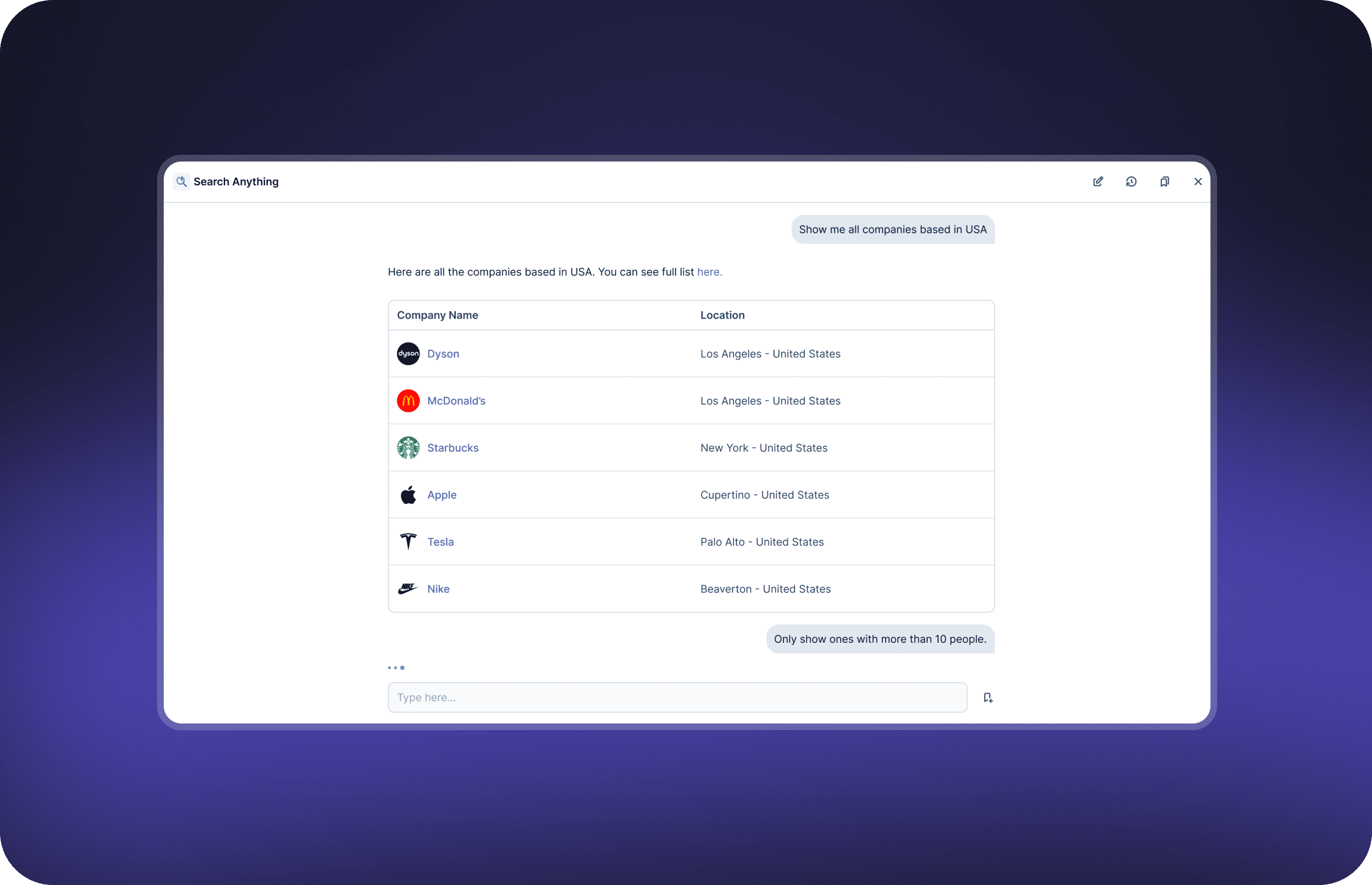
- Search everything. Natural language search across the whole database (e.g., “Show me all project managers in Berlin”).
- Candidate matching. Scores and ranks candidates by fit based on skills, role, and context.
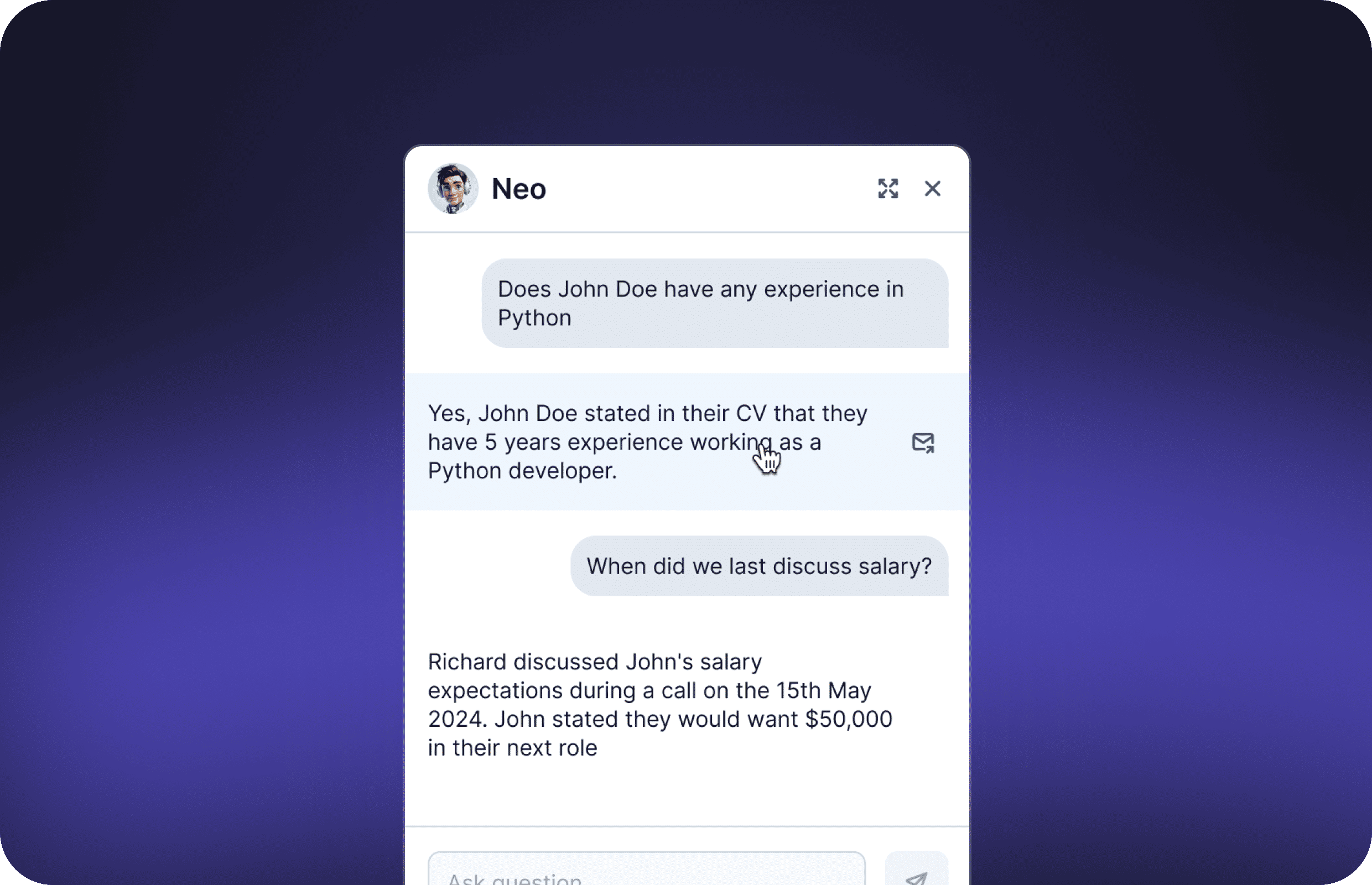
- AI-powered chatbot. Responds to recruiter queries with instant data about candidates, roles, or placements.
- Meeting bot & checklist automation. Transcribes calls and auto-fills checklists, triggering workflows (e.g., tasks, reminders, emails).
- Contact prioritization & org chart markers. Highlights high-impact candidates or companies within complex orgs.
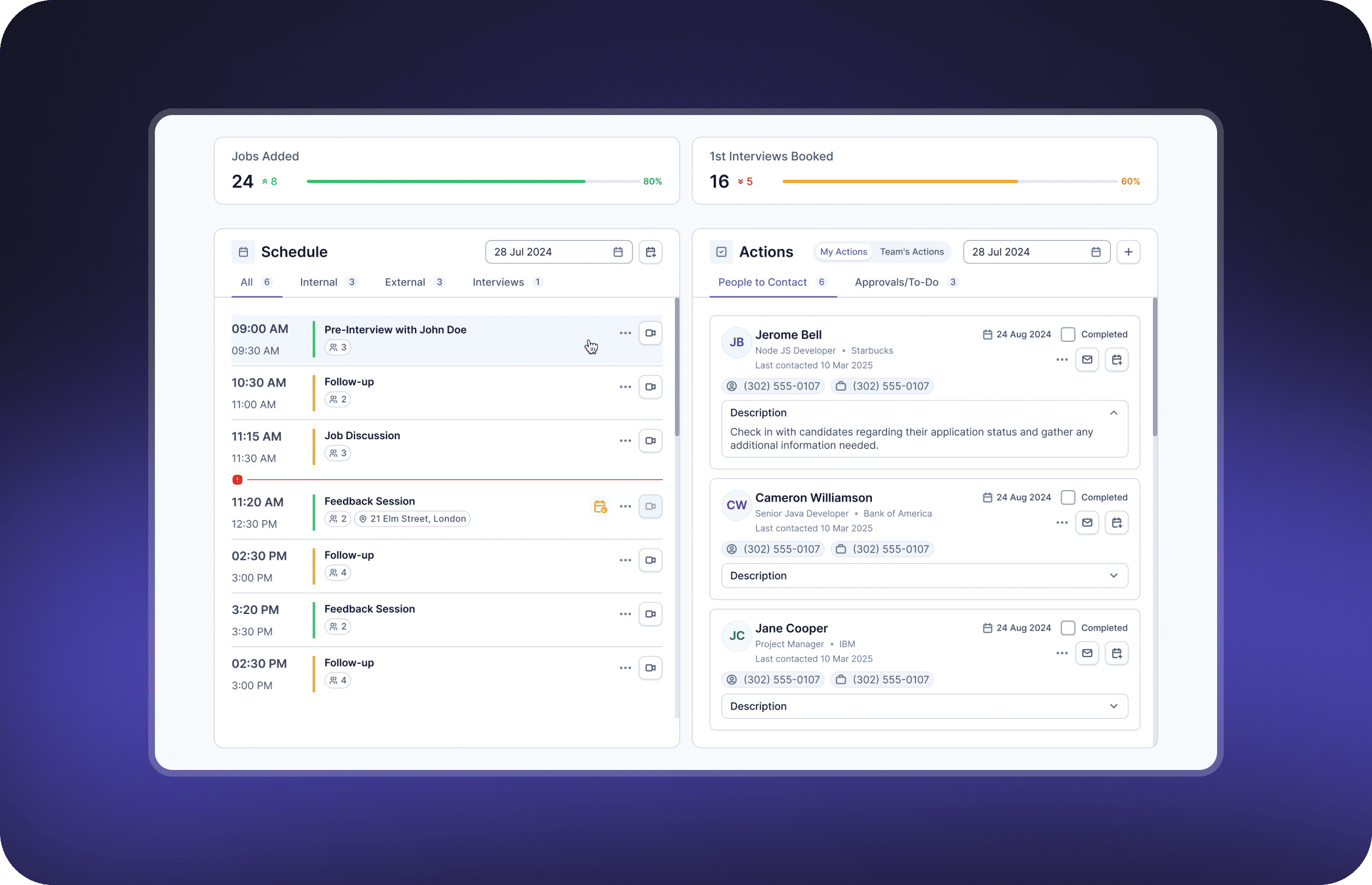
- Input fields configurator. Admins can rename, set required fields, or update dropdown logic.
- Compliance document manager. Rules-based document requirements depending on contract types.
- Reminders & to-dos. Includes people to contact, approvals, and DAPs — system-managed action queues.
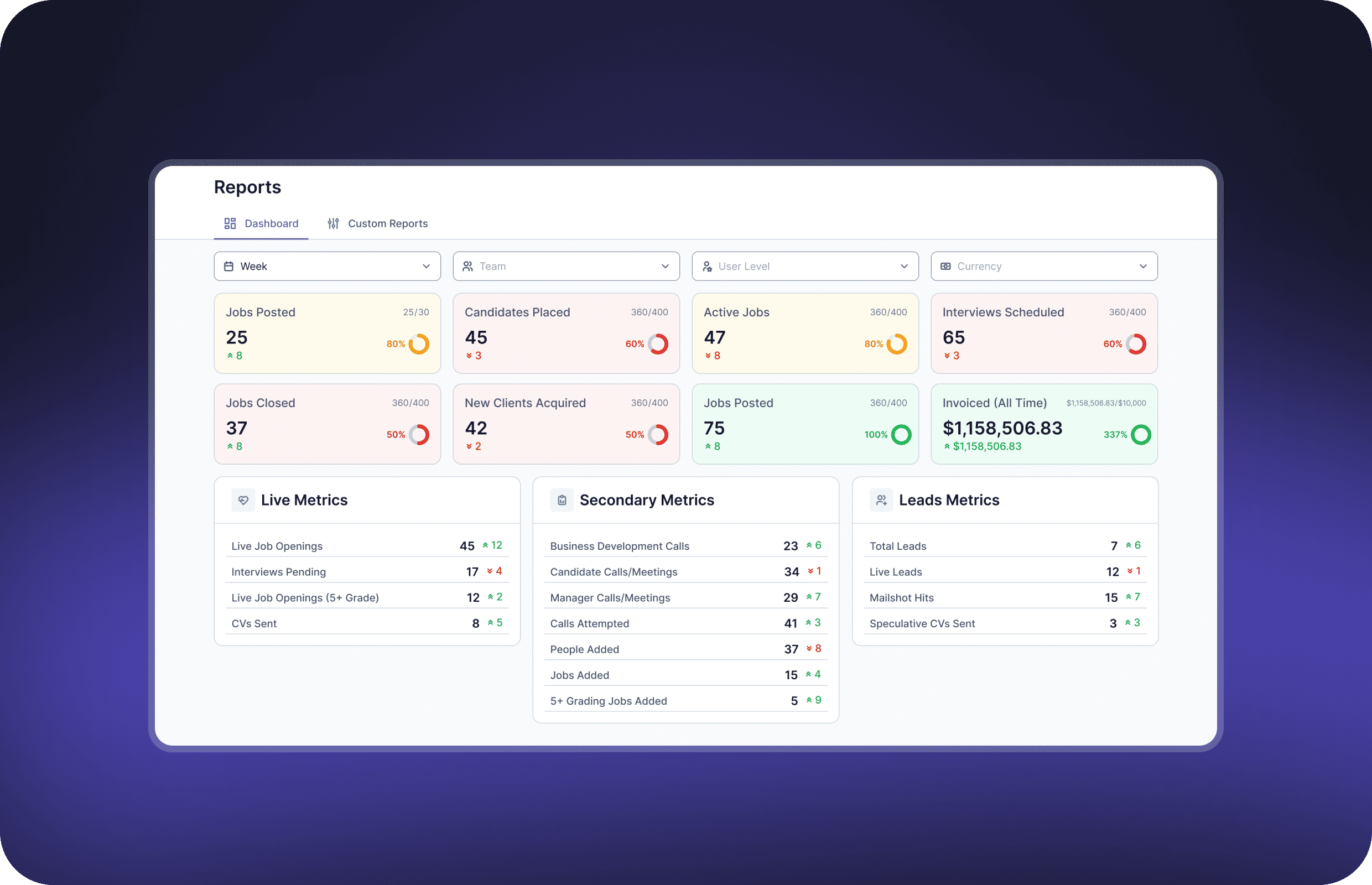
- Advanced reporting. SQL-driven dashboards + AI query-based report builder.
- Deal flashes. Real-time celebratory banners (with sound) broadcast company-wide when deals close.
Geniusee’s tailored solution delivered measurable improvements that directly addressed key operational pain points. By enhancing data processing, logistics coordination, and dispatcher oversight, the system brought lasting business value to the client.
50% reduction in ETL processing time (from 7 min to ~3 min).
Estimated 10–20% decrease in daily fleet usage based on improved route logic.
Enhanced visibility and control for dispatchers, leading to faster decision-making and better resource allocation.